
My scientific interests on understanding the external cues regulating cancer malignancy stem from early on in my scientific training, with the realization that despite the groundbreaking discoveries of oncogenes and tumor suppressors, effective therapeutic options are still limited. That is because tumor progression relies on more than genomic alterations, and cancers evolve within a complex tissue microenvironment. Thus, to impact therapeutic outcome, our understanding of cancer dynamics and diversity must not solely view cancer cells as the fundamental unit, but as part of an integrated and reactive system centered around heterotypic communication with their environment. To understand tissue-level complexity, I have sought to diversify my skills and expertise throughout my training in an effort to determine the multifactorial cues that underlie tumor behavior. I come from a diverse and multidisciplinary scientific background that ranges from immunology and parasitology, to virology and cancer biology. My personal background is also quite diverse, with roots in Africa and the Middle East, and I have lived in the south of France, England, New York City, Switzerland and now Amsterdam. During these experiences, I have enjoyed meeting new friends, discovering different life styles and culture, and learning how to Zumba!
After completing a Bachelor in Human Movement Sciences and a Premaster in Biomedical Sciences, I obtained my Master’s degree in Oncology in 2016 at the VU University in Amsterdam. During this Master, I performed two internships. During the first one, at the division of Oncogenetics, VUmc and Cancer Center Amsterdam, I studied the regulation of sister chromatid cohesion. After that, I went to the group of Dr. Michele Pagano at the New York University Medical Center, where I investigated the role of cyclin F in protein degradation. In March 2017, I started my PhD in the Akkari lab at the Netherlands Cancer Institute, where I work on the dynamic roles of innate immune cells in brain tumor resistance and recurrence post-therapy.Next to working at the NKI, I like spending time on my hobbies. I’ve been playing saxophone and guitar for many years, ranging from jazz to classical music. In addition, I like many different sports, especially soccer, and enjoy photography as well.
I started my research training in the laboratory of Dr Mauro Piacentini at the University of Rome Tor Vergata, where I performed my M.Sc. working in the field of cell death and cancer biology. I pursued my training in Dr Ula Hibner’s laboratory at the Institute of Molecular Genetics, Montpellier (France) as a PhD fellow working on the interplay between hepatitis C virus (HCV) replication and the host innate immunity, in link with liver carcinogenesis. After my PhD, I performed a short post-doctoral training in the laboratory of Pr Fabien Zoulim at the Cancer Research Centre of Lyon (France) working on the impact of hepatitis B virus on liver physiopathology and on the hepatic microenvironment. In September 2017, I joined Dr Leila Akkari’s lab as a postdoctoral scientist/fellow to investigate the role of tumor associated-macrophages in hepatocellular carcinoma microenvironment.
After finishing my master's in Biomedical sciences, infection, and immunity track, at the University of Amsterdam, I started my Ph.D. in the group of Leila Akkari (Nov 2018). I mainly focus on finding exploitable myeloid-centric immunomodulators for the treatment of HCC tailored to cancer cell genetics.
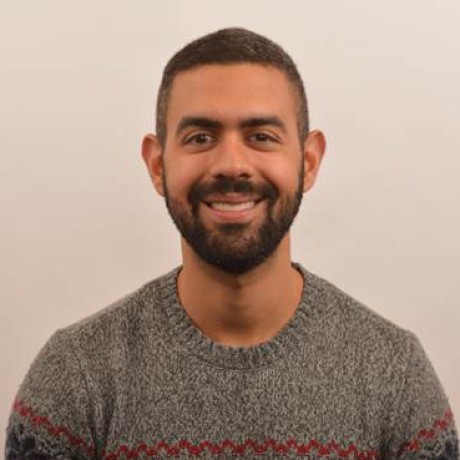
After working 4 years as a chemical engineer in Brazil, I decided to move to the life sciences' field. In 2019 I completed my MSc in Life Sciences at Leiden University. There, I did my first internship in Dr van Kasteren's group, where I studied the mannose receptor role in antigen cross-presentation by dendritic cells. After that, I joined the Akkari group for my second Master internship, where I stayed as a PhD student since December 2019. My thesis research is aimed at understanding how distinct cancer-intrinsic genetic mutations can differently shape the tumour microenvironment in hepatocellular carcinoma, with main focus on tumour-associated macrophages and tertiary lymphoid structures.
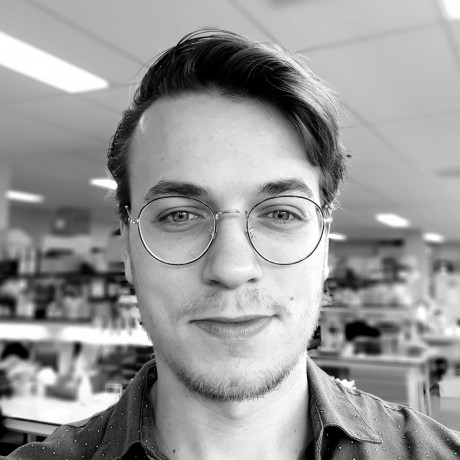
I studied Biology at Leiden University where I specialized in Molecular Genetics and Biotechnology. For my first master internship I joined the lab of Ewa Snaar-Jagalska at Leiden University, where I studied the angiogenic role of innate immune cells during the progression of melanoma. For my second internship I joined the Goessling lab at Harvard Medical School in Boston. In this lab I studied the non-canonical functions of macrophages during intestinal development. In November 2019, I joined the Akkari group to further explore the complexity and importance of macrophages. My project focusses on elucidating the mechanism behind the rewiring of tumor-associated macrophages by brain tumors in response to therapy.
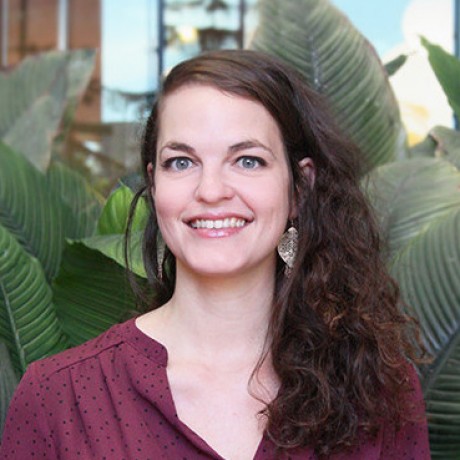
Pharmacist from training, I chose to focus my career on translational research and obtained a Master degree in Cell Biology at the University of Paris Descartes (France) in 2015. I then started my PhD in Brisbane, Australia, at the Mater Research Institute in A/Prof Ingrid Winkler’s lab. My PhD studies focused on targeting the bone marrow microenvironment to improve acute myeloid leukemia response to standard chemotherapy. I joined Dr Leila Akkari’s lab to start my postdoc in August 2020, where I will investigate the contribution of macrophages to glioblastoma resistance to treatment and recurrence.

I completed my PhD in the Cancer Research UK Cambridge Institute with Masashi Narita where I investigated chromatin in the context of cellular senescence. Previously, I studied an undergraduate degree in genomic sciences at Universidad Nacional Autonoma de Mexico (UNAM). I am interested in looking at the innate immune system in the TME and the epigenetic mechanisms involved in its regulation.
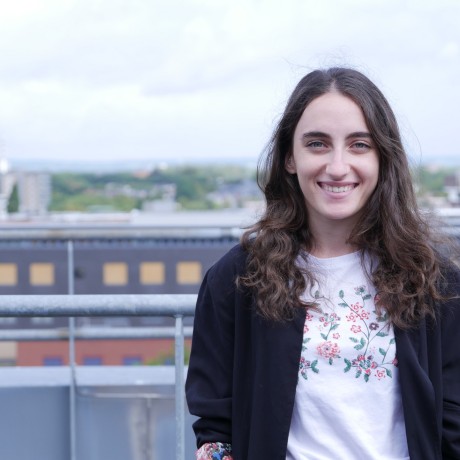
After obtaining my Bachelor’s degree in Molecular Life Sciences at Radboud University, I completed the research Master’s in Molecular Mechanisms of Disease at Radboudumc. I performed an internship at the department of Radiotherapy & Oncoimmunology in Radboudumc where I studied the reprogramming of tumor-associated myeloid cells with a focus on lipid metabolism. In my second internship I worked on the identification of T cell migration regulators in solid tumors at the German Cancer Research Center in Heidelberg, Germany. In December 2021, I joined the Akkari lab as a research technician. Here I will be investigating the use of pro-senescence therapy in liver cancer and its effects on the liver tumor microenvironment.
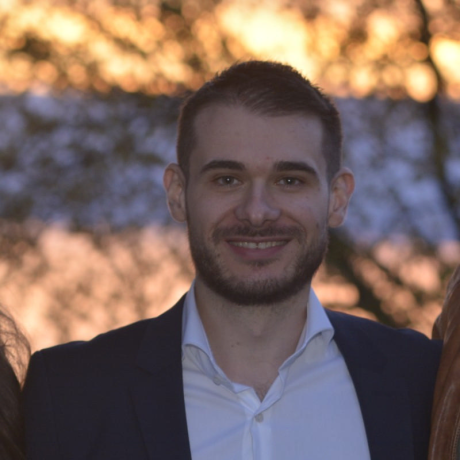
I obtained my Bachelor in Biology (2014) and Master in Biology and Health (2016) from the University of Toulouse III Paul Sabatier, France. I then conducted my PhD research at the UNIL-CHUV and Ludwig Institute for Cancer Research in Lausanne, Switzerland (2022) in the lab of Prof. Caroline Arber. I focused on targeting multiple myeloma with chimeric antigen receptor (CAR) T cells, and study resistance mechanisms to such therapies. I joined the lab of Leila Akkari in August 2022 as a Postdoctoral fellow, where I will study T cell dysfunctions mechanisms and cancer metabolism in glioblastoma.
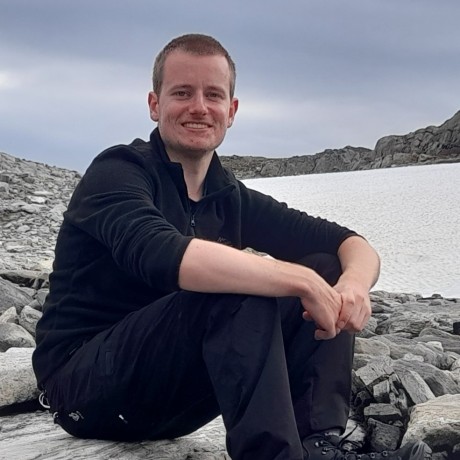
After graduating as a Technician in 2020, I pursued my MSc in Oncology at the VU University. I joined Dr. Leila Akkari’s lab for my final master internship, where I investigated the effect of the glioblastoma tumor microenvironment on macrophage programming and behavior. As of September 2022, I stayed in Dr. Leila Akkari’s lab as a PhD student. My project aims to investigate the reciprocal interactions between macrophages and glioblastoma cells after therapeutic intervention.
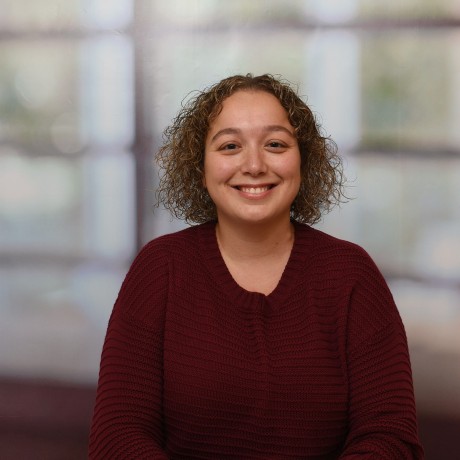
I graduated from the Department of Genetics and Bioinformatics at Bahcesehir University, Turkey. After completing my undergraduate studies, I obtained my master’s degree in Molecular Biology and Genetics at Middle East Technical University, Turkey. In my thesis study, I analyzed the transcriptomic profiles of bacilysin biosynthetic operon silenced mutant of Bacillus subtilis and its parental strain. After my first encounter with immunology during my master’s, it was clear to me that I wanted to continue my academic career in tumor immunology as I developed a strong interest in potential ways to improve current methods of treatment. I joined Dr. Leila Akkari’s research group in October 2022 to investigate the interplay between glioblastoma cells and tumor microenvironment in response to therapy, particularly in the context of tumor-associated macrophages.
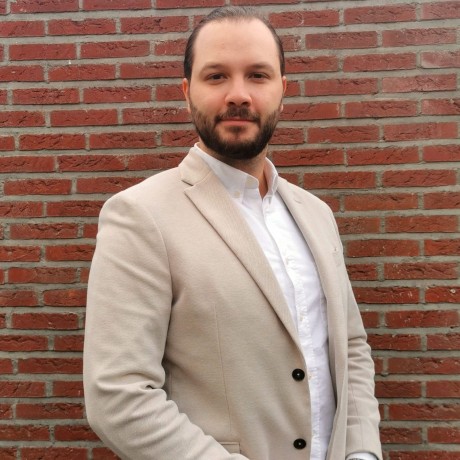
I completed the master program of Biomedical Sciences at the University of Leuven in Belgium. My thesis focused on the discovery of a new human stem cell type that resembles an embryonic cell line, responsible for primitive hematopoiesis. During my education, I was also employed at Trace. Here, I performed in vivo cancer research using murine models with patient-derived tumor xenografts. After graduating, I discovered Dr. Akkari’s lab and found their work in immuno-oncology fascinating. In October 2022, I joined the Akkari group to help understanding the complex role of macrophages within the micro-environment of brain and liver tumors.
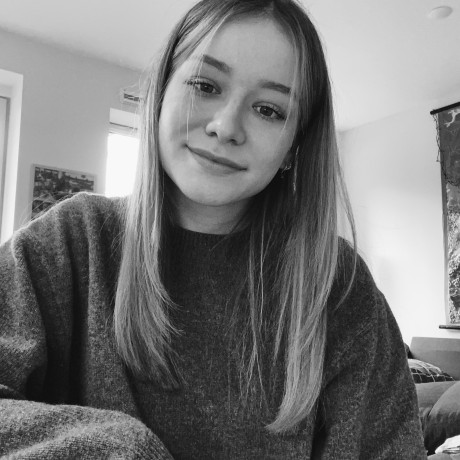
During my Master’s degree in Biomedical Sciences I chose to specialize in Oncology. I conducted my first internship in the group of Dr. Jeroen Guikema at the AMC where I investigated the role of proteotoxic stress in therapy response in Multiple Myeloma. For my second internship I joined the group of Dr. Leila Akkari where I worked on non-alcoholic steatohepatitis (NASH) associated Hepatocellular Carcinoma. Here, I investigated the role of different macrophage populations in the progression of NASH with the goal of identifying novel treatment approaches involving metabolic modulation. In November 2022, I then started as research technician where I continue working on this project while also getting involved in the Glioblastoma research theme of the lab.
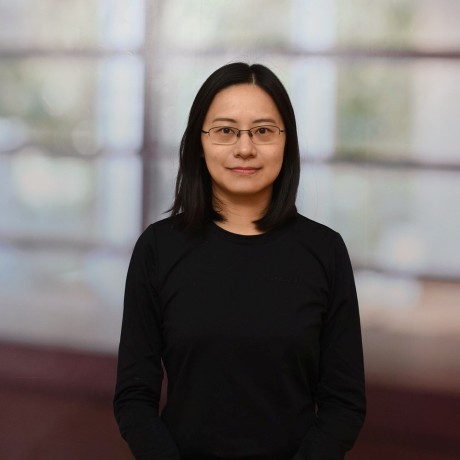
I completed my PhD at Sun Yat-sen University, China. My research interest is the distribution and function of macrophages in hepatocellular carcinoma (HCC), with a focus on their roles in tumor angiogenesis. I joined Dr. Akkari’ lab in November 2022 to investigate the vasculatures in HCC with different oncogenic drivers.
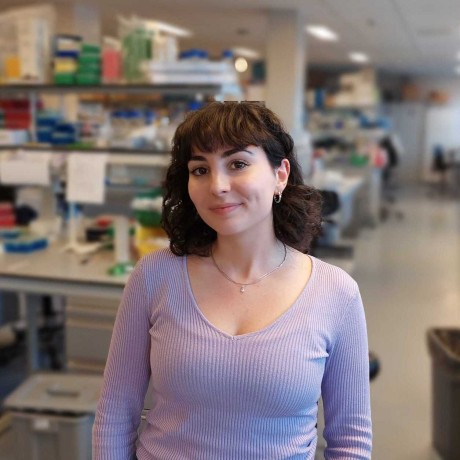
After graduating with a Bachelor's degree in Biology at Virginia Commonwealth University (VA, U.S.A), I am obtaining my Master's degree in Biomedical Sciences at the University of Amsterdam with a specialization in Oncology. My previous internships were in the lab of Dr. S. Lima (VCU, U.S.A.) investigating glucosylceramide dysregulation levels in cancer and in the lab of Dr. J. Guikema (AMC, NL) investigating proteotoxic stress in Multiple Myeloma. I am now an intern in Dr. L. Akkari's lab, investigating the relationship between senescent cells and tumor microenvironment in hepatocellular carcinoma.
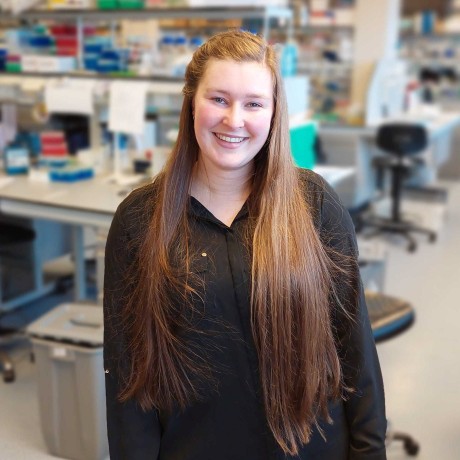
I graduated with a Bachelor’s degree in Life sciences at the University of Applied Sciences in Utrecht. For my bachelor internship, I joined the lab of Dannis van Vuurden at the Prinses Maxima Centre in Utrecht, where I studied the effects of radio-sensitizers on Diffuse Intrinsic Pontine Glioma and how to deliver these drugs in the brain through Microbubble-mediated focused ultrasound. After completing my undergraduate studies, I started the Master Oncology at the Vrije Universiteit Amsterdam. For my first internship, I joined the lab of Jacco van Rheenen at the Netherlands Cancer Institute and focused on the improvement of anti-PD1 therapy through the induction of senescence by Doxorubicin. To complete my master’s degree I joined the lab of Leila Akkari for my second internship, which focuses on the targeting of macrophages in Glioblastoma.
I studied Biomedical engineering at the Carlos III University of Madrid. There, I worked at the bioengineering department building a bioinformatics tool to asses genotypic-phenotypic relationships within the Gene Ontology framework. After that, I moved to Amsterdam to do a MSc in Bioinformatics and Systems Biology, a joint master between VU and UvA. During my first internship, worked for 6 months at the artificial intelligence group of the NKI’s radiology department. I worked in a radiogenomics project to find relationships between PET images and mutational status of genes under the supervision of Zuhir Bodalal and Stefano Trebeschi. Now, for my second master internship I moved to the Leila Akkari group to work under the supervision of Masami Ando Kuri. The project makes use of scRNA-seq and spatial transcriptomics data and is aimed to understand how tumor-associated macrophages interact with the tumor and its micro-environment.